

My wife and I spent a weekend hiking around Flagstaff, Arizona. I noticed something each time I entered the forest: It felt familiar to me. More importantly, it felt as if I was familiar to it.
I pondered this over several miles of walking beneath a canopy of ponderosa pines.
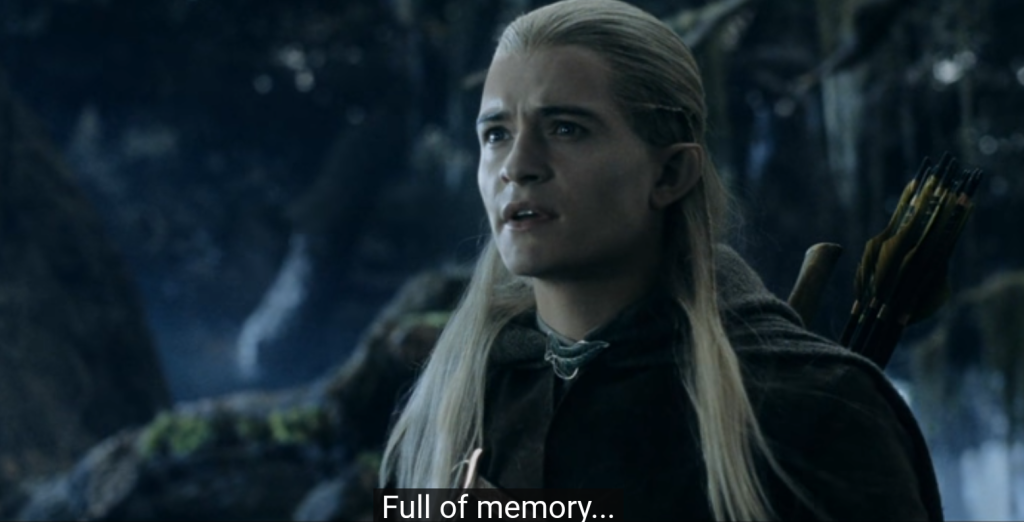
Forests are not scenery to my bloodline—they are kin and courtroom. The Celts did not “worship” trees; they interrogated them. A druid laid his palm on oak bark and felt the pulse of every oath sworn since the glacier retreated—warrior fidelity, bride-price, blood-feud. Cut one down without leave and the roots screamed across counties, summoning sidhe retribution that could rot a harvest or snap a king’s neck. My Ulster and Highland forebears carried that contract in their marrow when they crossed the Atlantic with axes and famine behind them.
The Teutons were blunter. Tacitus watched them hang Roman prisoners from sacred ash boughs so the tree-wights could taste the enemy’s fear and file it under “trespass.” Yggdrasil was no gentle world-tree; it was a gallows, a ledger, and a war-map, its roots drinking from the Well of Urd where the Norns etched every man’s doom in runic scars. A Saxon who poured mead at an elder’s foot bought safe passage for his sons—the forest kept the receipt.
These were not gentle pagans. They were hard men in hard country, and the forests trained them like wolves train pups: break the rules, bleed. Rome learned it in the Teutoburg saltus when Varus’s legions marched in column and vanished between trunks that had already decided whose side they were on. The same verdict echoes in every North American ridge. The old forests do not favor those who do not belong.

I felt like I did belong. For hours, the only sound was the wind whispering in the tall trees, and there was nothing ominous about it. The cold silence and heavy pine scent was a familiar embrace, not because it was comfortable, but because it fit. I began to think back, to my formative youth that was spent in so many forests.
It was the winter of 1987 when I first felt like there were spirits in the forest. My family had a cabin in western Maryland, and I’m standing outside one night while bringing in firewood for the wood burning stove. I see shapes in the trees. Maybe it’s my mind playing tricks, I tell myself, but in the pit of my stomach, I know there is something there. It terrifies me, but I don’t retreat. I stand, staring defiantly into the woods, up to my knees in snow, in the pitch black, like some kind of lunatic. The fear subsides, but the presence remains. We would return to that cabin dozens of times over the years, and I felt it every time. Something ancient was in those woods. I realized it bore no malice, so long as it understood that I belonged there.
In the summer of 1988, I’m at the Goshen Scout Camp in Virginia. My brother and I are waiting out a thunderstorm in our bunks in one of those large green army surplus tents. A clap of thunder knocks us both out of our racks and onto the ground. I’ve never felt anything like it before or since. We look outside the tent – a large tree less than two feet away is smoldering, a strip of its bark missing from top to root from the lightning strike. The smell is oddly sweet. I reach out and touch the fresh scar on the tree. It feels warm, and I am comforted by the thought of being so close to the lightning without being struck. I thank the tree for shielding us.
In the summer of 1989 I’m on a BSA High Adventure trip in northern Manitoba. We are canoeing and portaging over many miles of rugged, remote terrain. There are ancient spirits in these forests; older than civilization itself, and they remember much. I sense no hostility in them; it feels like they are almost happy to have visitors. The lakes are generous; I could have gone the entire two weeks without bringing an ounce of food with me. I had all the walleye I could eat.
In the winter of the same year, I’m elected to the Order of the Arrow. Part of the initiation ceremony is to spend a night alone in the woods with nothing but a poncho and a pocket knife. It rains, and it’s cold. There are dark spirits all around, and they are not friendly. Maybe they know this is meant to be a test, and treat me accordingly, or perhaps they simply find the whole event foolish. I don’t sleep at all that night. I like knowing I can survive like that, but I learn it is better to be more prepared.
By 1991, I’m 16 years old and one of the most accomplished Scouts in the region. I’ve made Eagle Scout, received awards from the Governor, set records as a troop leader at our summer camp, been to the National Jamboree, and even made it out to Philmont, where I navigated the Sangre de Cristo Mountains like they were my own backyard.
And that was it. Spring of ‘92 brought about high school graduation, and the monthly camping trips and summer week-long backpacking excursions just stopped. I moved to a big city in the middle of a bigger desert, and visiting the woods became a rare treat.
But the forests do not forget. They have long memories, and they are all connected to one another. The forests of the San Francisco Peaks around Flagstaff know me as well as the Rockies or the Appalachians. To them, a thirty year hiatus might as well be the blink of an eye.
